

Machine-wise energy monitoring is becoming essential for industries looking to control rising energy costs and improve efficiency. In many factories, energy costs are treated as a fixed expense, reviewed at the end of the month, but rarely analyzed in detail. The real issue is not the total bill, but the lack of clarity on how each machine contributes to it. Without this visibility, energy inefficiencies often go unnoticed.
This is where IIoT (Industrial Internet of Things) brings a practical advantage. It allows manufacturers to monitor energy consumption at the machine level, in real time, and take corrective action before costs escalate.
Why Machine-Wise Energy Monitoring Matters
When multiple machines operate together, even small inefficiencies can add up quickly. Idle machines, improper shutdown practices, or aging equipment can silently increase energy usage.
Without machine-level data, it becomes difficult to:
- Pinpoint the exact source of high energy usage
- Compare machine performance accurately
- Improve operational efficiency
Machine-wise monitoring turns raw data into useful insights that can directly reduce costs.
How IIoT Enables Machine-Wise Energy Monitoring
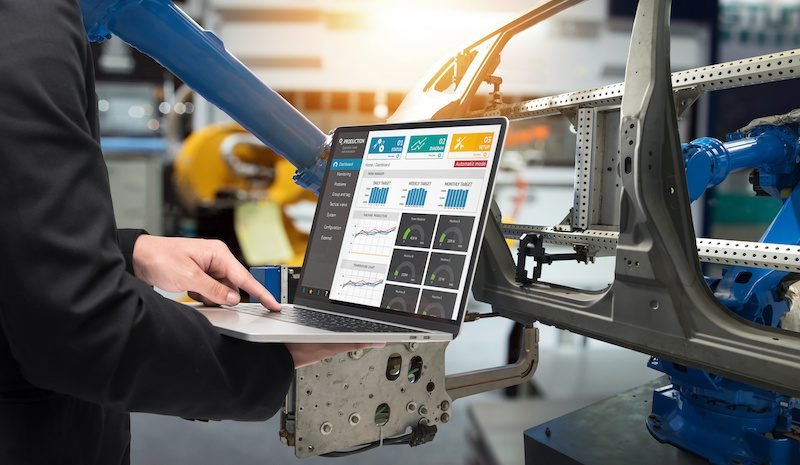
IIoT works by connecting machines to smart energy meters that measure parameters such as power consumption, voltage, and load. This data is continuously collected and transmitted to a centralized dashboard.
From there, plant teams can:
- Track real-time energy usage of each machine
- Identify unusual patterns or spikes
- Make faster, data-backed decisions
With reliable Industrial Hardware and advanced OT Software, this system becomes both scalable and easy to integrate into existing setups.
Real-World Scenario
Consider a mid-sized unit in the packaging industry operating across two shifts.
The management observes that energy expenses are gradually increasing, even though production output remains steady. Instead of making assumptions, they implement machine-wise energy monitoring with Devanta Tech.
Within the first week, the system highlights an issue—one of the filling machines is consuming more power than expected during low production hours.
After investigation, the team finds:
- The machine continues running between batches
- It is not being switched off during idle gaps
By introducing better scheduling and simple operator guidelines, the company quickly improves efficiency.
Outcome:
- Reduced energy wastage
- Better control over machine operations
- Noticeable savings in monthly electricity costs
This example shows how small changes, backed by the right data, can create a measurable impact.
Simple Steps to Implement
Getting started with IIoT-based energy monitoring can be straightforward:
- Select machines with high energy usage
- Install smart meters for accurate measurement
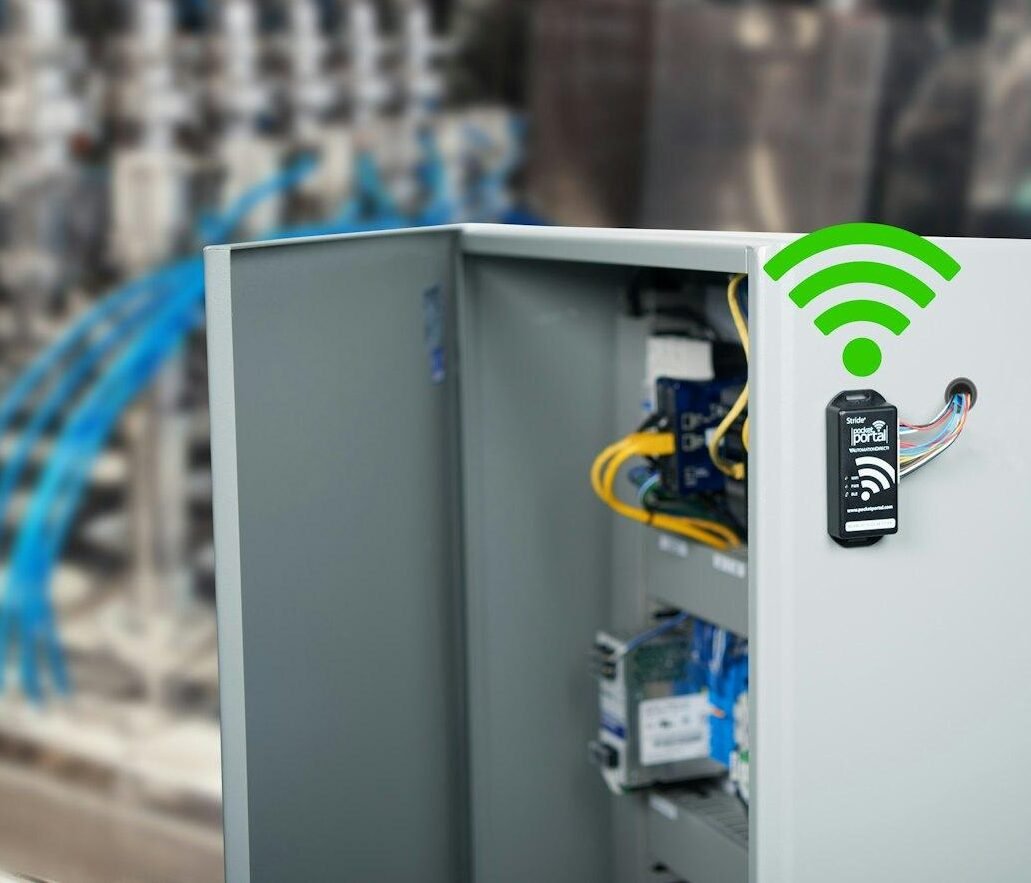
- Connect devices through IoT gateways
- Use a dashboard to monitor performance
- Act on insights to optimize usage
With support from Turnkey Automation and Engineering Consulting, Devanta Tech ensures a smooth and structured implementation process.
Where It Delivers Maximum Value
Machine-wise energy monitoring is especially effective in manufacturing and discrete environments, where multiple machines run continuously, and efficiency directly impacts profitability.
Final Thoughts
Energy efficiency starts with visibility. When you understand how each machine consumes power, you can control it, optimize it, and reduce unnecessary costs.
IIoT makes this visibility possible—turning everyday operations into smarter, more efficient systems.
Frequently asked questions (FAQs)
1. Will this work with old machines?
Yes, external energy meters can be added without replacing existing equipment.
2. Is the system difficult to manage?
No, dashboards are user-friendly and designed for easy monitoring.
3. How soon can improvements be seen?
Most inefficiencies become visible within days of implementation.
