

In today’s industrial world, relying on manual data entry is becoming increasingly inefficient. Plant managers, engineers, and production supervisors are discovering that smart data solutions can save time, improve accuracy, and drive faster decision-making.
At Devanta Tech, we guide businesses across industries through their digital transformation journey, combining Industrial Hardware, OT Software, and Turnkey Automation to turn scattered information into actionable insights.
Why Digital Transformation Is Critical
Imagine a manufacturing plant where operators manually record machine performance on paper logs. A missing entry or a delayed update can lead to inaccurate production reports, overlooked maintenance needs, and costly downtime.
By adopting smart data solutions, every machine, sensor, and process can automatically feed information into a centralized system. This ensures managers receive real-time insights, enabling proactive decisions and reducing errors that used to slow down operations.
Steps to Transition from Manual Data to Smart Data
Transitioning from manual data entry to smart data begins with understanding current workflows and identifying error-prone tasks, such as manually tracking production counts or machine status. Introducing IoT sensors, automated meters, and digital tools gradually replaces manual work while centralizing data into a single platform. Analyzing this data with predictive insights helps detect issues early, optimize schedules, and improve efficiency. Real-time dashboards give managers instant visibility into operations, and proper team training ensures smooth adoption, maximizing the benefits of digital transformation.
Real-Life Example: Transforming a Manufacturing Plant
A Machinery & Equipment Manufacturing facility struggled to track machine performance due to manual reporting. Managers often discover bottlenecks too late, causing delays and inefficiencies. By implementing smart data solutions through Devanta Tech’s Turnkey Automation, the plant gained real-time insights into machine health and production status. Within three months, downtime was reduced by 20%, and overall productivity increased.
Benefits of Moving to Smart Data
- Accuracy: Eliminates errors caused by manual entries.
- Efficiency: Provides instant access to critical information.
- Predictive Insights: Detect issues before they escalate.
- Cost Savings: Reduces waste, manual labor, and downtime.
- Scalability: Easy to expand data collection as operations grow.
Conclusion
The shift from manual data entry to smart data is a vital step for any industry seeking efficiency and growth. By automating data collection, centralizing insights, and enabling real-time decision-making, companies can operate smarter and more competitively.
At Devanta Tech, we help businesses across sectors implement Industrial Hardware, OT Software, and Turnkey Automation, ensuring a smooth digital transformation journey and tangible operational improvements.
Ready to move from manual processes to smart, data-driven operations?
📞 Contact Devanta Tech today to start your digital transformation journey with experts who understand your industry.
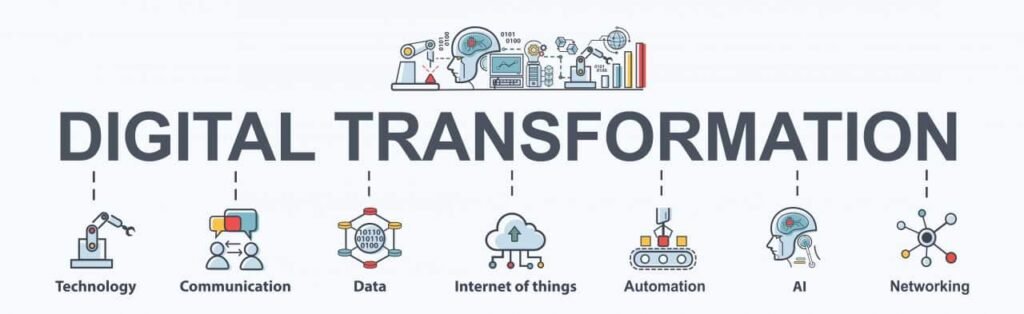
Frequently asked questions (FAQs)
1. How does smart data improve decision-making in plants?
By providing real-time insights from machines and processes, managers can identify issues early, optimize workflows, and plan maintenance proactively.
2. What role does automation play in digital transformation?
Automation eliminates manual entry, reduces human errors, and ensures accurate, consistent data collection for smarter operations.
3. How quickly can a plant see benefits after implementing smart data solutions?
While results vary, many plants notice improvements in efficiency, downtime reduction, and production visibility within 2–3 months of implementation.
