

Energy Monitoring in Manufacturing is becoming essential as rising electricity costs directly impact industrial profitability. In every factory, machines, compressors, furnaces, and HVAC systems consume large amounts of power. However, many manufacturers still rely on monthly utility bills to understand energy usage. As a result, they react to increased costs instead of preventing them.
Today, IIoT-based systems provide real-time visibility into power consumption. Therefore, manufacturers can identify inefficiencies instantly, reduce waste, and improve overall operational efficiency.
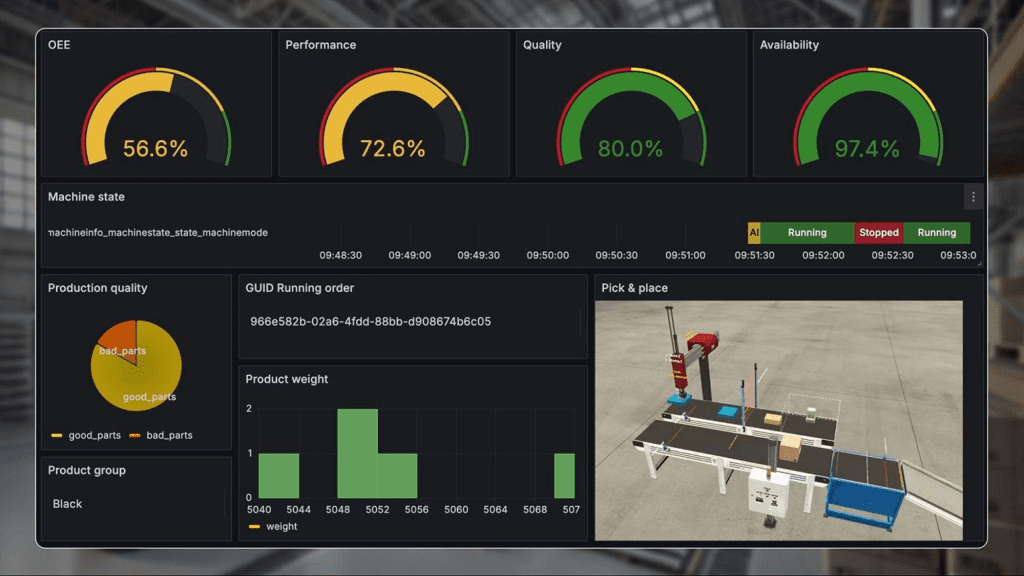
Why Energy Monitoring in Manufacturing Matters
In a competitive market, even a small reduction in electricity costs can significantly improve margins. Moreover, energy efficiency strengthens sustainability goals and improves compliance reporting.
A structured energy monitoring system enables factories to:
- Track machine-wise power consumption in real time
- Detect abnormal energy spikes immediately
- Reduce peak demand penalties
- Improve preventive maintenance planning
- Increase accountability across departments
Instead of making assumptions, plant managers gain accurate insights backed by real data.
Scenario-Based Example of Energy Monitoring in Manufacturing
For example, consider a mid-sized automotive component manufacturer that noticed a 14% rise in electricity expenses over six months. Production levels remained stable; however, energy costs kept increasing.
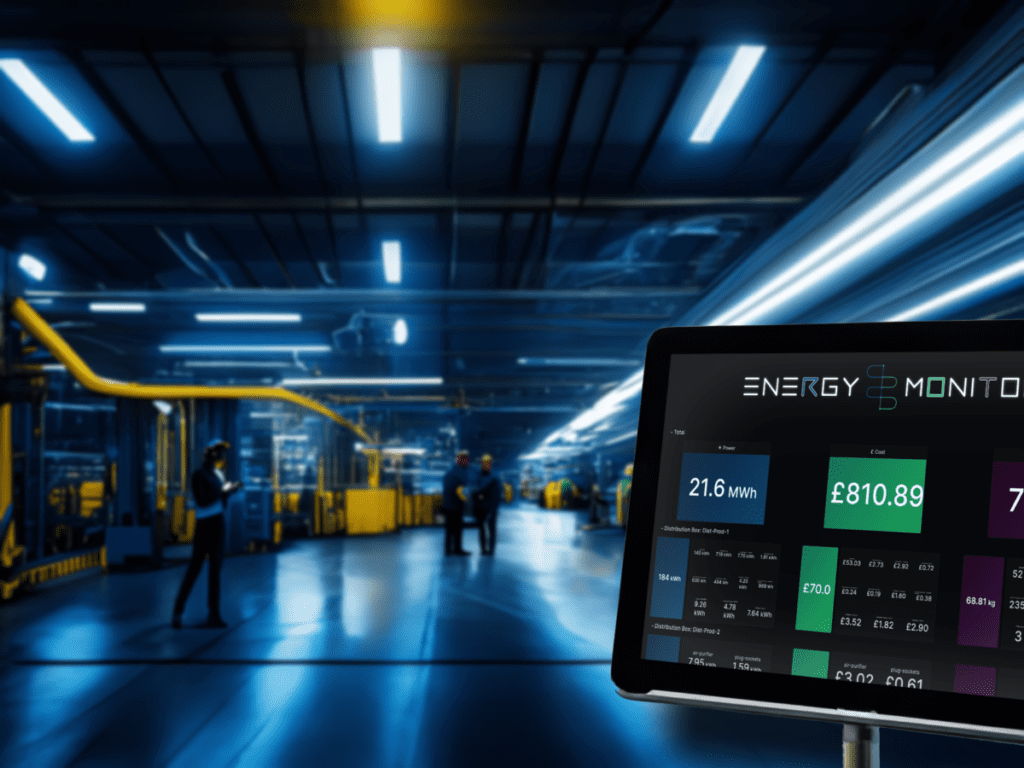
To solve this issue, the company partnered with Devanta Tech. First, the team implemented smart meters through Industrial Hardware. Next, they integrated live consumption data using OT Software systems. As a result, management accessed centralized dashboards with real-time alerts.
Within weeks, the system highlighted key issues:
- A compressed air system running during non-production hours
- Simultaneous startup of heavy machines increases peak demand charges
- Equipment consuming excess power due to calibration errors
Consequently, the plant optimized scheduling, corrected technical faults, and assigned energy accountability to departments. Within three months, the company reduced electricity costs by nearly 12%.
This example clearly shows how Energy Monitoring in Manufacturing converts hidden inefficiencies into measurable financial savings.
How IIoT Improves Energy Monitoring in Manufacturing
First, engineers install smart energy meters and IIoT sensors at critical panels and high-consumption machines. Then, the system collects and stores energy data securely. After that, interactive dashboards display live consumption trends, load patterns, and anomalies. Finally, plant teams take immediate corrective action based on insights.
When manufacturers implement these systems under Turnkey Automation, they ensure seamless integration with existing production infrastructure.
Long-Term Benefits of Energy Monitoring in Manufacturing
Beyond reducing electricity bills, energy monitoring improves overall plant performance. For instance, companies can extend equipment life, minimize unplanned downtime, and improve operational transparency. In addition, accurate energy data supports ESG goals and regulatory compliance.
Through structured Engineering Consulting, Devanta Tech empowers plant teams to sustain long-term efficiency improvements.
Conclusion
In today’s industrial landscape, energy efficiency directly impacts competitiveness. Therefore, manufacturers must adopt intelligent systems that provide complete visibility and control.
IIoT-based Energy Monitoring in Manufacturing helps factories reduce power costs, improve productivity, and make smarter operational decisions. Instead of reacting to high bills, you gain proactive control over energy performance.
If your organization wants to optimize electricity consumption and improve plant efficiency, Devanta Tech offers end-to-end solutions tailored to your manufacturing needs.
Contact Devanta Tech today to schedule a consultation and discover how smart energy monitoring can transform your operations.
Frequently asked questions (FAQs)
1. How soon can manufacturers see savings?
Most plants identify optimization opportunities within 30–60 days.
2. Is Energy Monitoring in Manufacturing suitable for mid-sized factories?
Yes, solutions are scalable and customized according to plant requirements.
3. Will installation affect production?
No, Devanta Tech plans implementation carefully to ensure minimal disruption.
