
Factory sensors play a key role in modern manufacturing. They help monitor machines, track temperature and pressure, measure production output, and support automation systems. In short, accurate sensor data keeps factories running smoothly.
However, many manufacturers notice that sensor readings slowly become less reliable. Over time, small issues build up and affect performance. As a result, businesses may face downtime, higher energy costs, and poor product quality.
This is where technology-driven partners like Devanta Tech support factories by improving visibility, reliability, and long-term sensor performance through automation and IIoT solutions.
Let’s explore why sensor accuracy declines — and how Devanta Tech helps manufacturers overcome these challenges.
Harsh Factory Conditions Affect Sensor Performance
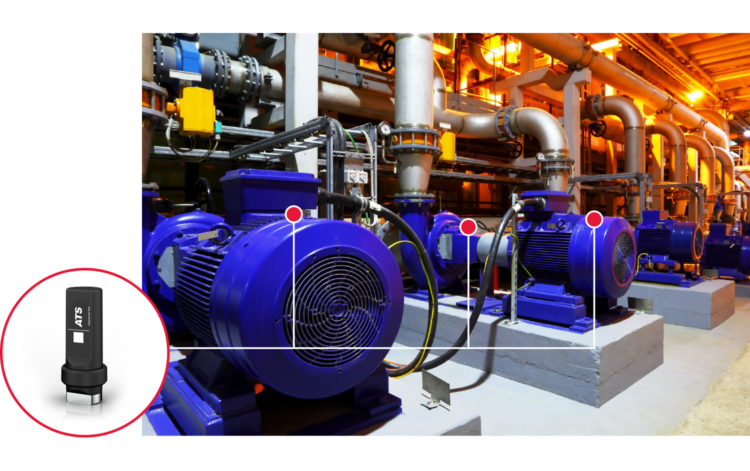
First of all, factory environments are tough. Sensors are exposed to dust, moisture, heat, vibration, oil mist, and chemical fumes every day. Although industrial sensors are built for durability, these conditions slowly reduce their effectiveness.
For example, dust can block optical sensors, while moisture causes corrosion inside devices. Temperature changes also impact sensitive components over time.
How Devanta Tech Helps:
Devanta Tech ensures proper sensor selection, industrial-grade installation, and protective setups designed specifically for harsh environments.
Explore Devanta Tech’s Industrial Hardware Sales & Installation services for reliable sensor performance.
Sensor Drift Happens Naturally Over Time
In addition to environmental stress, sensors also change as they age. Internal parts slowly wear out, which leads to sensor drift — where readings move away from correct values.
Meanwhile, factories may continue using inaccurate data without realizing it. Consequently, process efficiency drops and maintenance planning becomes less effective.
How Devanta Tech Helps:
By implementing OT software and data historian systems, Devanta Tech enables long-term data tracking and early detection of drift.
Learn more about Devanta Tech’s OT Software Implementation & Data Historian solutions.
Vibration and Movement Cause Hidden Damage
Moreover, machines operate under constant motion. Motors spin rapidly, conveyors run continuously, and heavy equipment creates strong vibration. Over time, this stress weakens sensor mounts and internal components.
As a result, readings become unstable — especially in automotive and machinery manufacturing plants.
How Devanta Tech Helps:
Devanta Tech deploys IIoT-driven condition monitoring systems that track vibration and equipment health in real time.
Discover Devanta Tech’s Turnkey Automation & IIoT Solutions for smarter monitoring.
Poor Installation and Irregular Maintenance
Another common issue is incorrect installation and a lack of routine maintenance. Loose wiring, skipped calibration, and poor positioning reduce accuracy much faster than expected.
However, many factories struggle due to limited technical expertise or structured processes.
How Devanta Tech Helps:
Devanta Tech provides engineering support, consulting, and workforce training to ensure sensors are installed correctly and maintained consistently.
Strengthen operations with Devanta Tech’s Engineering, Consulting & Training services.
Sensor Accuracy Impacts Every Industry
Accurate sensor data is essential across industries such as:
- Automotive & Auto Components Manufacturing
- Electrical & Electronics Production
- Machinery & Equipment Manufacturing
- Packaging Industry Operations
- Process & Chemical Plants
In each sector, Devanta Tech helps manufacturers improve visibility, efficiency, and equipment reliability through tailored automation strategies.
See how Devanta Tech supports digital transformation across manufacturing industries.
How to Maintain Long-Term Sensor Accuracy
To prevent performance decline, manufacturers should:
- Calibrate sensors regularly
- Protect devices from harsh conditions
- Use vibration-resistant mounts
- Monitor data continuously
- Apply predictive maintenance
When combined with Devanta Tech’s automation and IIoT platforms, these steps become easier, smarter, and more cost-effective.

Frequently asked questions (FAQs)
1. How often should factory sensors be calibrated?
Generally, every 6 to 12 months, depending onthe environment and usage.
2. Can Devanta Tech’s solutions detect sensor problems early?
Yes, real-time analytics can identify drift, abnormal readings, and equipment stress.
3. Which industries benefit most from improved sensor accuracy?
Industries with heavy machinery, harsh conditions, and continuous operations benefit the most.
Conclusion
In summary, factory sensors lose accuracy due to harsh environments, aging components, vibration, and maintenance gaps. However, with the right combination of industrial hardware, smart software, and IIoT-driven monitoring, these challenges can be effectively managed.
Devanta Tech helps manufacturers maintain reliable sensor performance, improve operational efficiency, and make data-driven decisions with confidence.
Looking to improve sensor accuracy and factory visibility?
Connect with Devanta Tech today to implement automation and IIoT solutions that drive smarter, more efficient manufacturing.
