

OEM machines play a critical role in modern manufacturing. From high-precision equipment to customized production systems, these machines are designed to deliver performance. However, in many factories, OEM machines still operate like “black boxes” — running production without offering deep visibility into what’s happening inside.
This lack of transparency conceals valuable performance data that could help manufacturers enhance efficiency, minimize downtime, and prolong machine life. Industrial Internet of Things (IIoT) solves this problem by unlocking hidden machine data and converting it into actionable insights.
At Devanta Tech, IIoT-driven visibility helps manufacturers gain better control over OEM machines through smart hardware integration and industrial automation expertise.
Learn more about Devanta Tech’s industrial focus.
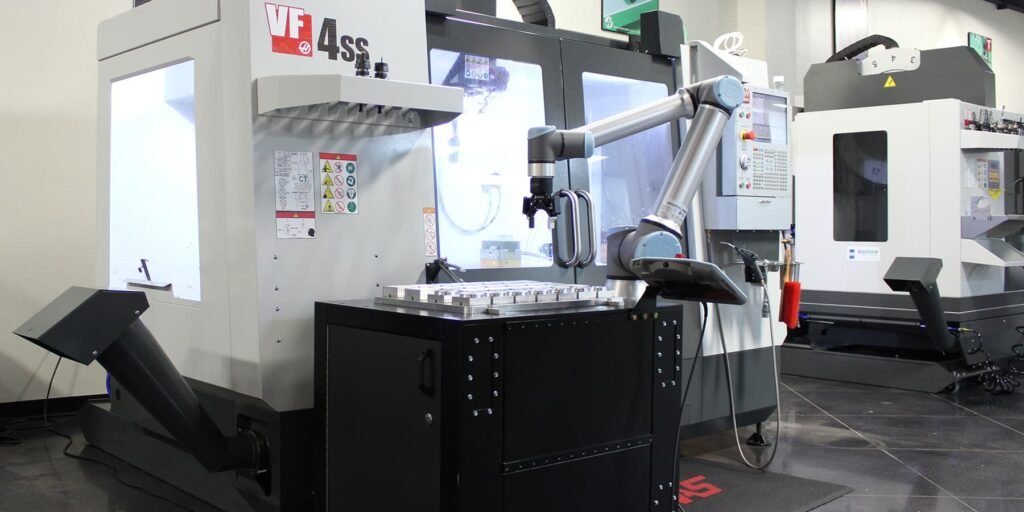
Challenges with Traditional OEM Machines
Most OEM machines provide only basic operational data through built-in controllers or HMIs. While the machine continues to run, manufacturers often face:
- Limited insight into actual machine health
- No real-time performance benchmarking
- Difficulty identifying inefficiencies
- Reactive maintenance practices
- Unexpected downtime caused by hidden issues
Without detailed performance data, decision-making depends on assumptions rather than facts.
How IIoT Unlocks Hidden Performance Data in OEM Machines
IIoT adds a digital intelligence layer on top of existing OEM machines. By integrating sensors, gateways, and analytics platforms, manufacturers gain continuous, real-time visibility into machine behavior.
1. Real-Time Machine Performance Monitoring
IIoT sensors capture critical parameters, including cycle time, temperature, vibration, pressure, load, and energy consumption. This data is available instantly, allowing operators and engineers to monitor true machine performance instead of relying on manual records or delayed reports.
Reliable data capture is supported through robust infrastructure and integration expertise offered by
Industrial Hardware Sales & Installation.
2. Identification of Hidden Inefficiencies
Many OEM machines operate below optimal efficiency due to minor issues like incorrect settings, gradual wear, or inconsistent material flow. IIoT analytics highlight these inefficiencies, enabling manufacturers to optimize performance without replacing equipment.
3. Predictive Insights into Machine Health
By continuously analyzing trends in vibration, temperature, and runtime, IIoT helps predict potential failures before they occur. Maintenance teams can plan interventions, reducing unplanned downtime and expensive emergency repairs.
4. Unified Visibility Across OEM Machines
IIoT removes dependency on proprietary OEM dashboards by consolidating machine data into a single, centralized view. This makes it easier to manage machines from different OEMs, production lines, or locations — all from one platform.
5. Performance Benchmarking and Optimization
IIoT enables performance comparison across identical OEM machines operating in different shifts or plants. This benchmarking helps identify best-performing machines and apply those insights across the production floor.
Business Value of IIoT for OEM Machines
Manufacturers that implement IIoT on OEM equipment experience clear operational benefits, including:
- Improved machine uptime and availability
- Better utilization of existing assets
- Reduced maintenance and operating costs
- Faster troubleshooting and root cause analysis
- Improved production consistency
Rather than investing immediately in new machinery, IIoT helps manufacturers extract maximum value from existing OEM assets.
Conclusion
OEM machines generate valuable performance data — but without IIoT, much of it remains unused. By unlocking hidden machine data, IIoT enables manufacturers to shift from reactive operations to data-driven decision-making.
With real-time visibility, predictive insights, and performance benchmarking, IIoT transforms OEM machines into intelligent, connected assets that support long-term operational efficiency and reliability.
Frequently Asked Questions (FAQs)
1. What does IIoT mean for OEM machines?
IIoT enables OEM machines to be connected with sensors and software to capture real-time performance, usage, and health data, turning machines into intelligent, data-driven assets.
2. Can IIoT be implemented on existing OEM machines?
Yes. IIoT solutions can be retrofitted to most existing and legacy OEM machines without changing their core design or disrupting production.
3. Does IIoT replace OEM control systems or PLCs?
No. IIoT works alongside existing control systems, adding a data collection, monitoring, and analytics layer without interfering with machine control.
4. What type of data can IIoT extract from OEM machines?
IIoT can capture cycle time, machine health indicators, energy consumption, downtime reasons, operating conditions, and efficiency metrics for deeper performance analysis.
5. Is IIoT suitable for small and mid-sized manufacturers?
Absolutely. IIoT solutions are scalable and modular, allowing manufacturers to start with critical machines and expand gradually as needs grow.
